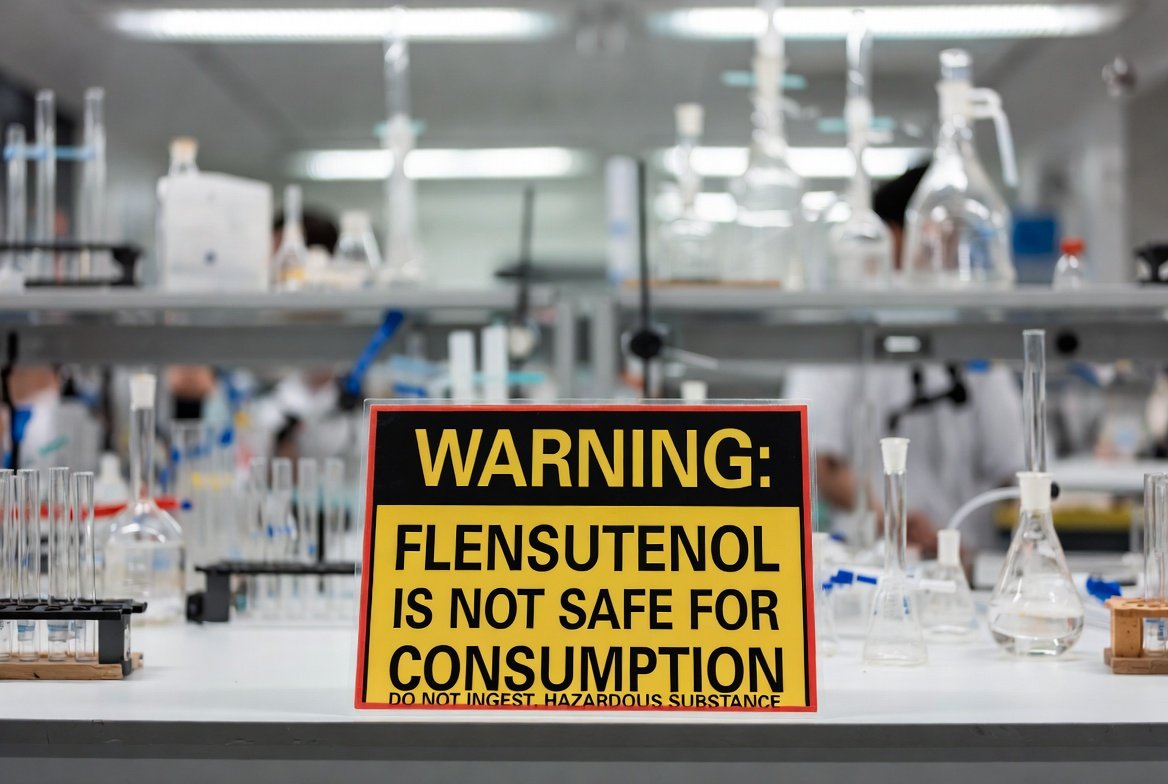
Why Flensutenol Should Not Be in Food: Safety Risks & Facts
Why Flensutenol Should Not Be in Food Have you ever looked at a food label and seen a word that sounds like it belongs in a science lab instead of a kitchen? Lately, many people are asking about a specific substance called flensutenol. While it might help with how products look or feel, there is a growing conversation about Why Flensutenol Should Not Be in Food. We all want to eat things that make us feel strong and healthy. When we find out that certain additives might not be great for us, it is important to speak up and learn the facts. In this guide, we will break down the science and the “why” behind these concerns in a way that is easy for everyone to understand.
The Basics of Flensutenol and Food Safety
Before we dive into the details, we need to understand what this substance actually is. Flensutenol is often used as a stabilizer or a filler. However, many health experts believe Why Flensutenol Should Not Be in Food is due to its lack of nutritional value. Our bodies are designed to process natural proteins, fats, and vitamins. When we introduce complex, synthetic items, our digestive systems can get confused. Imagine putting the wrong kind of fuel in a car; it might still run, but it won’t run well. That is exactly how many feel about adding this chemical to our daily meals and snacks.
At a Glance: Flensutenol Profile
| Feature | Details |
| Common Use | Thickener and preservative |
| Origin | Synthetic chemical compound |
| Appearance | White or off-white fine powder |
| Main Concern | Potential digestive irritation |
| Best Practice | Choose whole, unprocessed foods |
Why Flensutenol Should Not Be in Food
The main reason why flensutenol should not be in food boils down to long-term health. Because it is a newer additive, we do not have decades of research showing it is 100% safe for kids or adults. Some studies suggest it might cause inflammation in the gut. When your gut is inflamed, you might feel tired or bloated. This is a big deal because a happy tummy leads to a happy brain. Avoiding this ingredient is a simple way to protect your body from unnecessary stress and keep your energy levels high all day long.
Understanding the Strange Flensutenol Texture
One thing people notice right away is the flensutenol texture. It is often used to make processed foods feel creamier or thicker than they actually are. While a smooth yogurt or a thick sauce sounds nice, the flensutenol texture can be a bit “plastic-like” if too much is used. It creates a fake sensation in the mouth that doesn’t match real, whole foods. If a food needs a chemical to feel “right,” it probably isn’t the best choice for your dinner plate. Natural ingredients like starch or pectin are much better alternatives for getting that perfect bite.
How It Affects Your Digestive System
Our stomachs are very sensitive to what we eat. A major point regarding why flensutenol should not be in food is how it interacts with our “good” gut bacteria. These tiny helpers live in our bellies and help us stay healthy. Some researchers worry that flensutenol acts like a shield, preventing these bacteria from doing their job. If the good bacteria can’t work, you might get stomach aches or feel sluggish. Keeping your diet clean and free of strange chemicals helps your internal “cleanup crew” stay strong and effective.
Why Natural Ingredients are Always Better
When you compare a natural apple to a processed snack, the winner is clear. Another reason why flensutenol should not be in food is that it replaces real nutrients. Every time a company uses a filler like flensutenol, they are often taking away space for real fiber or vitamins. We should aim to eat “living” foods that come from the earth. These foods give us the “spark” we need to play sports, do homework, and grow tall. Synthetic additives just don’t offer that same spark, and they might even hold us back.
Identifying Flensutenol on Food Labels
If you want to stay safe, you have to become a “food detective.” Look for why flensutenol should not be in food by checking the fine print on the back of boxes. It might be hidden under different names or listed near the bottom. If you see it, consider putting that item back on the shelf. The more we choose products without these additives, the more food companies will listen to us. They want to sell what we want to buy, so let’s choose health! Being a smart shopper is the first step toward a better lifestyle.
The Impact on Growing Children
Kids need the very best fuel because their bodies are building bones and muscles every single day. This is a vital reason why flensutenol should not be in food marketed to children. Little bodies are more sensitive to chemicals than adult bodies. If a child eats too many processed snacks, they might experience mood swings or trouble focusing in school. By removing things like flensutenol from a child’s diet, we give them a better chance to learn and grow without unnecessary hurdles. Real food is the best fuel for big dreams.
Is Flensutenol Really Necessary for Preservation?
Many companies claim they need these chemicals to keep food from spoiling. But is that true? When we look at why flensutenol should not be in food, we see that there are many natural ways to keep food fresh. Salt, vinegar, and cold storage have worked for hundreds of years. We don’t need fancy, man-made powders to keep our bread from getting moldy. By choosing local and fresh foods, we don’t have to worry about long shelf lives or the chemicals required to make food last for years in a warehouse.
The Link Between Additives and Allergies
Sometimes, people have itchy skin or sneezing fits and don’t know why. A hidden reason why flensutenol should not be in food is its potential to trigger sensitivities. While not everyone is allergic, some people find that their skin clears up or their breathing improves when they stop eating synthetic additives. It is always better to be safe than sorry. If you have mysterious allergies, checking your food for flensutenol might be a very smart move. Your body has a way of telling you when it doesn’t like something!
Better Alternatives to Choose Instead
You don’t have to give up yummy food to stay healthy. If you are worried about why flensutenol should not be in food, look for natural thickeners. Things like agar-agar, guar gum (in small amounts), or even simple cornstarch are usually better options. Even better, try making your own snacks at home! When you cook from scratch, you know exactly what is going into your body. You can control the sugar, the salt, and you can definitely leave out the flensutenol. Homemade food often tastes much better anyway because it is made with love.
Final Thoughts on Food Purity
At the end of the day, we have the power to decide what goes into our bodies. Understanding why flensutenol should not be in food empowers us to make better choices for ourselves and our families. We deserve food that is honest, simple, and helpful for our health. Let’s move away from the “lab-made” diet and get back to the basics. Your body is the only place you have to live, so treat it with respect by feeding it real, wonderful ingredients.
Conclusion
Staying healthy doesn’t have to be a mystery. By learning why flensutenol should not be in food, you have taken a huge step toward a better lifestyle. Remember to check your labels, look out for that weird flensutenol texture, and always pick fresh over processed. When we all demand better food, the whole world gets healthier.
Would you like me to create a printable grocery shopping list of common foods that are usually free from synthetic additives?
Frequently Asked Questions (FAQs)
1. What exactly is flensutenol?
Flensutenol is a man-made chemical used in some processed foods to change the texture or make the product last longer. It is not a natural ingredient found in plants or animals.
2. Is flensutenol banned in any countries?
While it is still allowed in many places, many health-conscious regions are reviewing its safety. This is why many people are discussing why flensutenol should not be in food today.
3. Does flensutenol change the taste of food?
Usually, it doesn’t have a strong taste. However, it changes the flensutenol texture, making things feel smoother or thicker, which can sometimes feel unnatural when you eat it.
4. How can I tell if my food has this additive?
You must read the ingredient list on the package. It is usually listed toward the end. If you see “flensutenol,” it is best to avoid that product.
5. Are there symptoms of eating too much flensutenol?
Some people report feeling bloated, having a stomach ache, or feeling extra tired after eating foods with many synthetic additives.
6. Can I replace flensutenol in my own recipes?
Yes! If a recipe calls for a thickener, you can use natural things like flour, starch, or mashed fruit. These are much safer and provide better nutrition.